
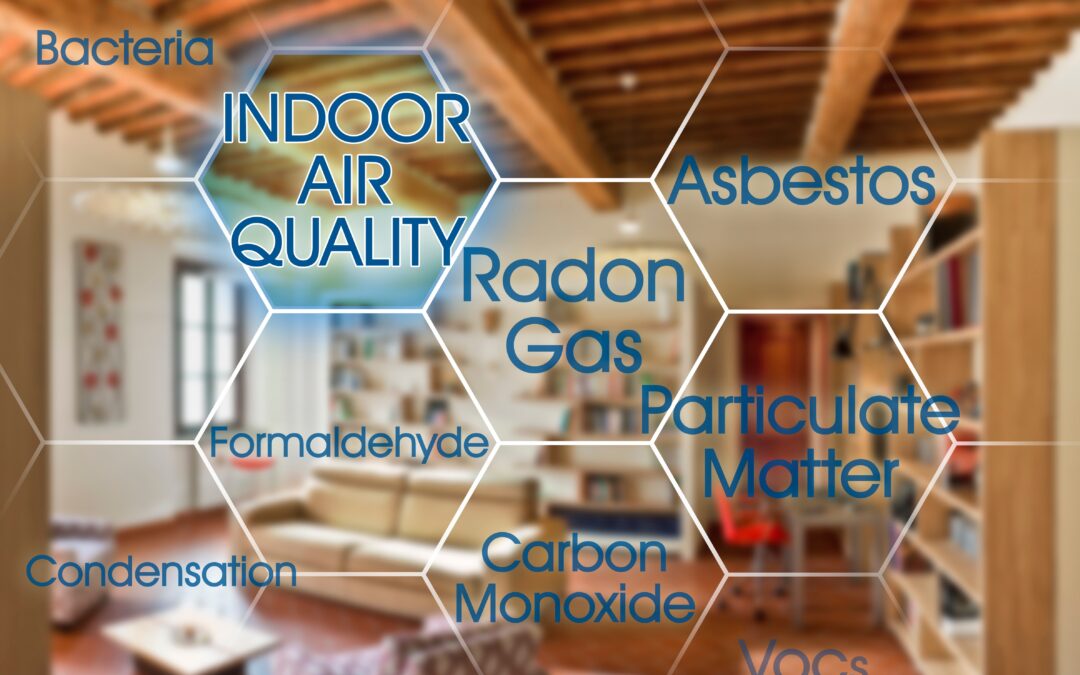
Indoor air quality is often an overlooked aspect of our living and working environments, but it plays a major role in our overall health—particularly our mental well-being. As we spend an average of 90% of our lives indoors, the air that we breathe in our homes, offices, and schools significantly impacts our mood, stress levels, and cognitive function. In this blog post, we’ll explore how indoor pollutants can affect mental health and share practical steps to enhance air quality in your spaces.
Understanding Indoor Pollutants
Indoor pollutants come from a variety of sources, including household cleaning products, paints, construction materials, and even furniture. Common indoor air pollutants include:
- Volatile Organic Compounds (VOCs): These chemicals can be released from products like paints, varnishes, and cleaning supplies. Long-term exposure to VOCs has been linked to headaches, dizziness, and mood disturbances.
- Allergens: Dust mites, pet dander, mold, and pollen are typical indoor allergens that can trigger allergic reactions and respiratory issues. The chronic stress of dealing with allergies can contribute to anxiety and depression.
- Particulate Matter: Fine particles can come from cooking, smoking, or burning candles. These particles may lead to respiratory problems, fatigue, and cognitive decline.
- Carbon Dioxide (CO2): Elevated levels of CO2, which can occur in poorly ventilated spaces, may cause fatigue, impaired cognitive function, and increased feelings of discomfort.
The Connection Between Indoor Air Quality and Mental Health
Research has shown that poor indoor air quality can have a direct impact on mental health. Here are some ways in which indoor pollutants can affect your well-being:
- Cognitive Function: Studies have indicated that exposure to high levels of indoor air pollutants negatively affects cognitive performance. This can lead to decreased productivity and difficulty concentrating at work or during study sessions.
- Mood and Anxiety Levels: Certain VOCs, such as formaldehyde, have been linked to increased tension and anxiety. A toxic indoor environment can cause irritability and contribute to mood disorders over time.
- Sleep Quality: Poor air quality can disrupt sleep patterns. For instance, allergens can lead to nighttime congestion, making it difficult to breathe and resulting in restless sleep. Lack of quality sleep is closely associated with anxiety and depression.
- Overall Stress Levels: Living in an environment filled with hidden pollutants can lead to chronic stress. The constant worry about health risks may contribute to feelings of anxiety and helplessness.
Steps to Improve Indoor Air Quality
Fortunately, there are several practical steps you can take to enhance indoor air quality and safeguard your mental well-being:
- Ventilation: Ensure proper airflow in your home or office. Open windows when weather permits, and consider using exhaust fans in kitchens and bathrooms to reduce moisture and pollutants.
- Invest in Air Purifiers: Air purifiers equipped with HEPA filters can help remove allergens, particulate matter, and VOCs from the air. Choose an appropriate size for your space to maximize their effectiveness.
- Choose Low-VOC Products: When purchasing paints, furniture, or cleaning supplies, opt for low-VOC or VOC-free alternatives. This will significantly reduce the number of harmful chemicals released into your indoor air.
- Maintain Humidity Levels: Excess humidity can promote mold growth, which can exacerbate allergies. Use dehumidifiers when necessary and regularly check for leaks or water damage that could invite mold.
- Incorporate Indoor Plants: Certain plants can improve air quality while also providing psychological benefits. Peace lilies, snake plants, and spider plants are excellent choices for purifying indoor air.
For the overall wellness of everyone in your home or office, it’s essential to recognize how the air we breathe can influence our mental health. By taking steps to improve indoor air quality, we can create healthier living and working environments that support our emotional and psychological well-being.
At JW East Mechanical, we are committed to helping you achieve better indoor air quality. Whether it’s through HVAC maintenance or air purification solutions, we’re here to support your health and comfort.