
As we seek comfort and efficiency in our homes, the focus often turns to how we can improve indoor air quality and energy savings. Here at JW East Mechanical, we’re committed to helping you achieve both, ensuring your home remains a sanctuary of comfort, health, and efficiency. Let’s explore how, why, and when adding insulation can benefit your home, along with some essential indoor air quality insights.
The Role of Insulation in Home Comfort
Adding insulation to your home is more than just a task; it’s a strategic move towards enhanced comfort and reduced energy costs. Proper insulation helps create a barrier between the indoor and outdoor environments, maintaining a consistent temperature inside your home. Here’s what you need to know:
How to Add Insulation
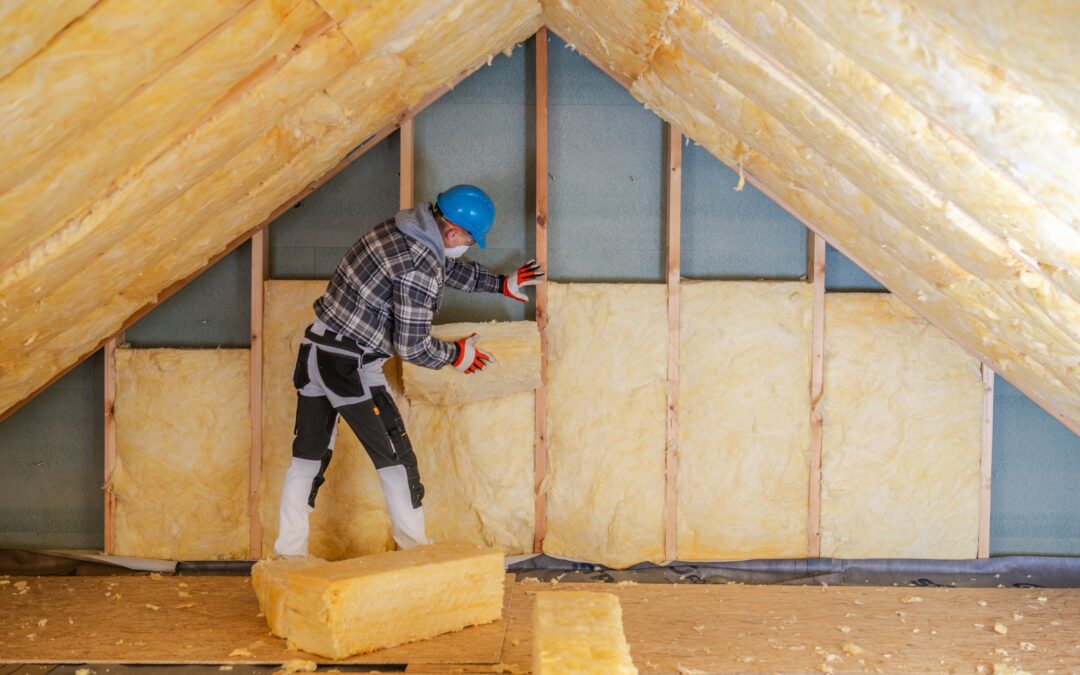
Insulation can be added in various parts of your home, including the attic, walls, and floors. The method and material depend on your home’s current setup and specific needs:
- Attic Insulation: One of the most effective places to insulate, as heat rises and is often lost through the roof.
- Wall Insulation: Important for maintaining temperature and reducing noise.
- Floor Insulation: Beneficial in older homes or those with crawl spaces.
Why Insulate?
Proper insulation can drastically reduce your energy bills by minimizing the amount of heating or cooling needed. It also enhances indoor comfort by maintaining a stable indoor climate and reducing strain on your HVAC system. Moreover, insulation can support indoor air quality by minimizing the intrusion of outdoor pollutants and moisture.
When to Insulate?
Consider adding or upgrading insulation if:
- Your energy bills have increased unexpectedly
- Your home feels drafty in the winter or overly hot in the summer
- Room temperatures in your home are inconsistent
Why It Matters: Our Latest Project
Recently, we completed a project that perfectly illustrates the benefits of adding insulation. We installed R38 attic insulation in a Houston townhome after upgrading the HVAC system. This not only improved energy efficiency but also helped regulate the home’s indoor temperature more effectively. The homeowners will see a significant reduction in their utility bills, thanks to reduced energy consumption.
Additional Indoor Air Quality Insights
While insulation plays a critical role in energy efficiency, it’s also essential to focus on overall indoor air quality to ensure a healthy home environment. Here are a few interesting facts:
- Air Purifiers and Plants: Certain air purifiers can significantly reduce indoor pollutants, and some houseplants are known to improve air quality by removing toxins naturally.
- Volatile Organic Compounds (VOCs): Materials like paints, varnishes, and even some furniture can emit VOCs over time. Consider using low-VOC products to maintain healthier indoor air.
- Humidity Control: Maintaining an optimal humidity level (around 30-50%) can prevent mold growth and dust mite populations, which are vital for asthma and allergy sufferers.
Conclusion
Enhancing your home’s insulation and indoor air quality can lead to a comfortable, healthy, and energy-efficient living environment. At JW East Mechanical, we not only focus on top-quality HVAC and insulation services but also prioritize comprehensive solutions for your home’s air quality needs.
Whether it’s through strategic insulation to improve energy savings or tailored HVAC solutions, we strive to provide options that make a meaningful difference in your home’s environment. Contact us today to explore how we can assist you in achieving home comfort and health.