
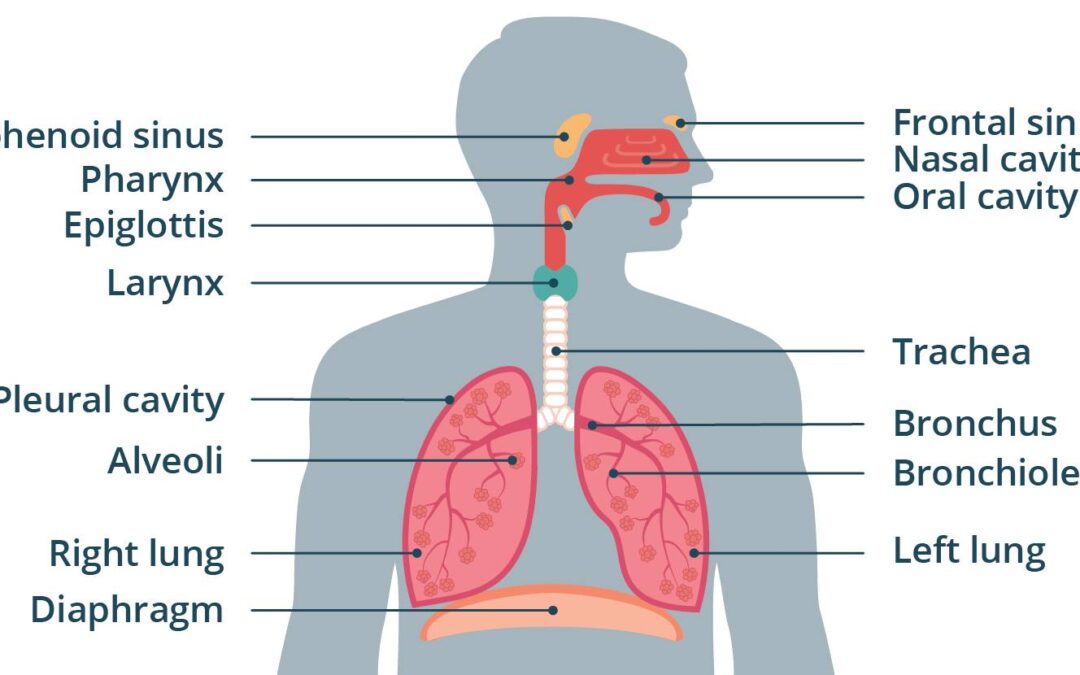
We often think of air pollution as an outdoor problem, but the air inside our homes can be just as concerning. In fact, the air we breathe indoors can significantly impact our health, especially when it comes to tiny particles known as PM2.5 and PM10. Let’s dive into what these elements mean and why they are important to the health of your family.
PM2.5 – The Invisible Threat
PM2.5 refers to fine particles that are 2.5 micrometers or smaller. These particles are so tiny that they can penetrate deep into our lungs and even enter our bloodstream. Here is how to interpret PM2.5 readings:
- Excellent: 0-5 ug/m3
- Good/Normal: 5-12 ug/m3
- Moderate: 12-35 ug/m3
- Poor: 35+ ug/m3
PM10 – The Visible Culprits
PM10 particles are larger, measuring up to 10 micrometers. These are tiny particles you might see floating in a beam of light, like dust or pollen. PM10 particles are classified as:
- Good: <50 ug/m3
- Moderate: 50-100 ug/m3
- High: 100+ ug/m3
What your AIr Quality results mean
Understanding your air quality readings is crucial for maintaining a healthy home environment. If your PM2.5 levels are consistently under 15, congratulations – your air quality is great! However, if you are seeing readings between 20-30+ PM2.5 for extended periods, your air quality could use some improvement. More concerning are readings of 40-100+ PM2.5, which likely indicate an active source of pollution that needs to be identified and corrected immediately. These higher levels can pose significant health risks and should not be ignored. Because prolonged exposure of PM2.5 can lead to serious health issues:
Heart and Blood Vessel Problems
- Increased risk of heart attack and stroke
- High blood pressure
- Hardening of the arteries
- Irregular heart rhythms
- Higher risk of heart failure
Lung and Breathing Issues
- Reduced lung function
- Worsened asthma and COPD
- Increased chronic bronchitis
- Higher susceptibility to respiratory infections
- Elevated lung cancer risk – even for non-smokers
Brain and Nervous System Effects
- Accelerated cognitive decline
- Increased risk of dementia and alzheimer’s
- Memory and concentration problems
Metabolic Impacts
- Higher risk of type 3 diabetes
- Worsened blood sugar control
- Increased inflammation
Cancer Risks
- Stronger link to lung cancer
- Possible connection to bladder and other cancers with long-term exposure
It’s important to note that PM2.5 is classified as a Group 1 carcinogen by the International Agency for Research on Cancer (part of the World Health Organization) – the same classification as tobacco smoke.
Protecting your Family and Pets
The elderly, young children, and pets are particularly vulnerable to the effects of poor indoor air quality. By not actively treating the air inside your home, you are leaving the task of filtering these harmful particles to your family’s lungs.
“We take indoor air quality very seriously at JW East. The main thing to remember here is that we need to be aware of the air that we breathe,” said Jim East, President of JW East Mechanical. “If you are not filtering your indoor air, your lungs will have to do all the work and that causes negative side effects. Your air duct system should be considered the respiratory system of the home, not just a way to move air. And like our lungs, the respiratory system in our home needs to be properly taken care of.”
Take Action for Cleaner Air
- Regularly maintain and clean your HVAC system
- Use high-quality air filters and change them as recommended
- Consider adding air purifiers to key areas of your home
- Ventilate your home regularly, especially when cooking or using cleaning products
- Keep indoor plants that can help purify your indoor air naturally
Remember, the air you breathe at home directly impacts your and your family’s health. By understanding and improving your indoor air quality, you are taking a big step towards a healthier and happier home. And don’t forget that we are here to help! Call us today to schedule an indoor air quality inspection. We will find the perfect solution for your home that fits your budget.